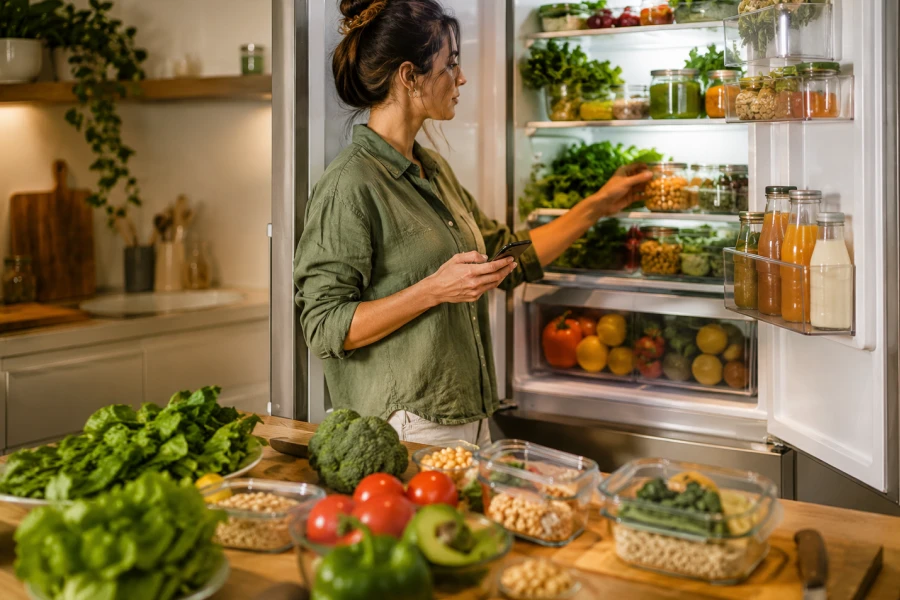
An ai meal planner from fridge ingredients helps solve the most common weeknight problem. You open the fridge and see food, but no clear meal. That moment creates stress, waste, and last-minute spending. Smart planning turns scattered ingredients into realistic dinner options. It works because it starts with what you already own. You do not need a perfect pantry. You need a better way to connect ingredients. The process can feel practical, fast, and surprisingly creative. Explore AI meal planning for a more organized kitchen rhythm. Dinner becomes easier when your fridge stops feeling random.
This method saves time because the starting point is visible. You are not searching from every possible recipe. You are narrowing choices around real ingredients. That makes the decision smaller and easier. It also prevents unnecessary grocery runs. The system can suggest meals from proteins, vegetables, grains, and sauces. It can adapt around dietary needs. It can also prioritize items close to expiring. Speed comes from structure, not magic. The best plans feel simple enough to repeat tomorrow.
Start by listing the ingredients that need attention first. Focus on produce, cooked grains, open sauces, and leftover proteins. These items usually drive waste if ignored. Add pantry staples only after the fridge list feels clear. This order keeps the plan practical. It also makes meals feel less repetitive. A few items can become several dinner directions. Rice, eggs, greens, and sauce can become bowls, wraps, or fried rice. fridge-first recipes help turn that inventory into action. You cook better when the plan respects real food on hand.
Busy nights need fewer decisions. Ask for meals that take twenty minutes or less. Mention whether you want one pan, no oven, or minimal cleanup. Add the number of servings. Include picky eaters or texture preferences when needed. These details improve the meal suggestions quickly. The plan should not create extra work. It should reduce friction from the first step. A useful answer gives options, not pressure. Choose the simplest meal first when everyone is already hungry.
Waste often happens because ingredients lose context. A half onion becomes invisible. A small container of rice feels useless. Three mushrooms seem too few for dinner. Planning reconnects those pieces into meals. It can group ingredients by urgency. It can suggest flexible sauces and bases. That makes small quantities feel useful again. smart cooking system thinking helps you rescue more food. Less waste also makes grocery spending easier to control. The fridge becomes a starting point instead of a guilt zone.
Great fridge meals need a basic flavor direction. Choose one lane before building the dish. Lemon, herbs, and olive oil create freshness. Soy sauce, sesame, and ginger create depth. Tomato, garlic, and basil create comfort. Yogurt, cucumber, and dill create cool balance. These flavor families make random ingredients feel intentional. They also prevent overcomplicated meals. Keep sauces flexible and repeatable. Your weeknight cooking improves when flavor choices stay clear.
The habit works best with a weekly rhythm. Check the fridge before making a grocery list. Photograph shelves if typing feels annoying. Mark ingredients that must be used soon. Ask for three meal options, not twenty. Too many ideas can recreate the same overwhelm. Pick one dinner, one lunch, and one backup. Save the best combinations for future weeks. Over time, your kitchen patterns become easier to predict. Planning becomes a small routine that protects both food and energy.




Leave a comment